Not all matcha is the same. If you've ever bought a cheap bag and found the taste bitter or flat, that's the grade talking.
The Difference in Growing
Ceremonial grade matcha comes from the youngest tea leaves, shaded from sunlight for three to four weeks before harvest. That shading process increases chlorophyll and L-theanine, which is why the color is that deep, vivid green and the taste is naturally sweet and smooth — not harsh.
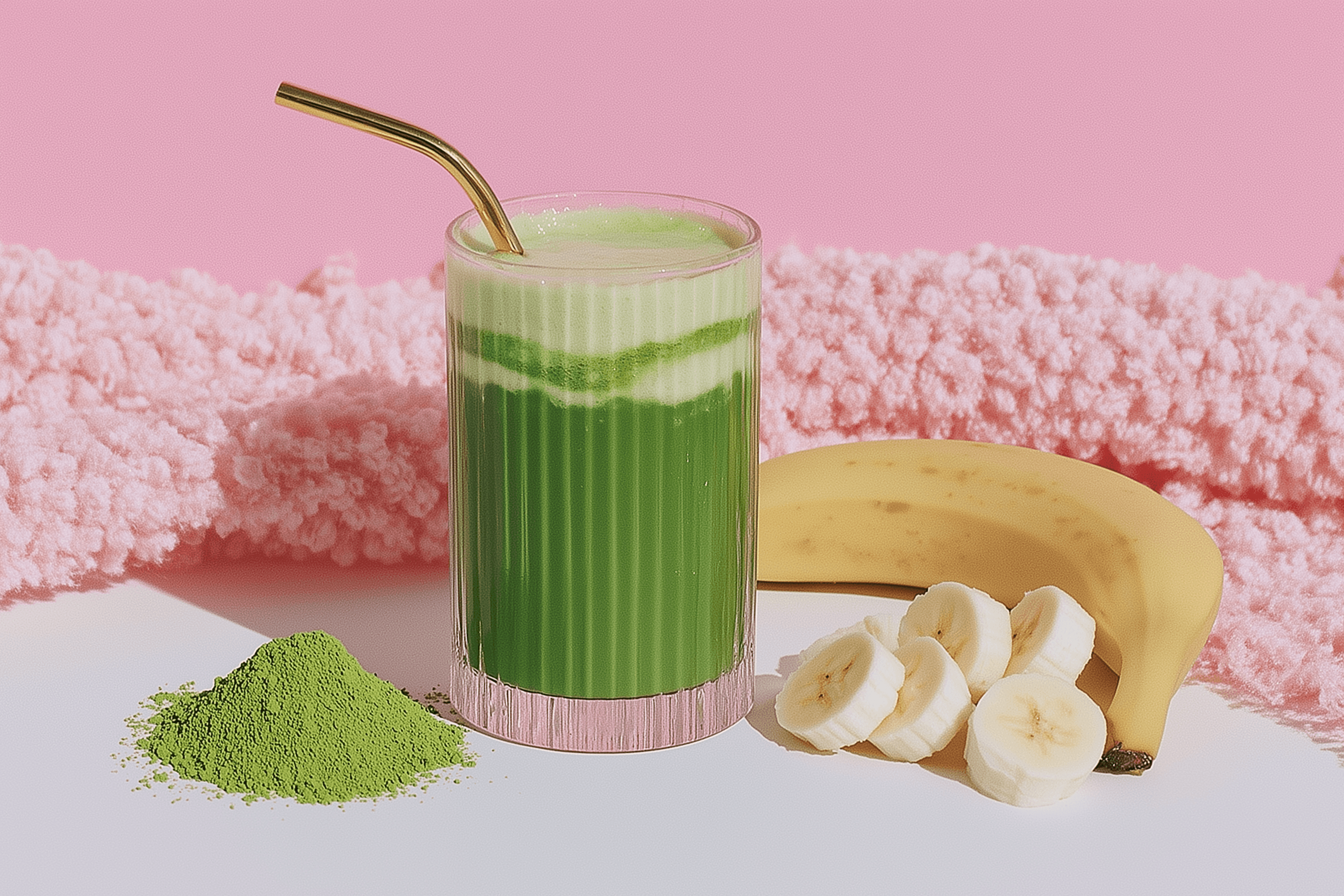
Culinary grade matcha uses older leaves and is processed differently. It's fine for baking or mixing into smoothies where other flavors are involved. But on its own, in water or milk, the difference is noticeable.
What to Look For
Color: A bright, vivid green. Dull or yellowish matcha is a sign of lower quality or age.
Texture: Very fine, like talc. Rough powder doesn't whisk well.
Smell: Fresh, slightly grassy, with a gentle sweetness.
Taste: Naturally smooth with no sharp bitterness on its own.
Does It Matter for Every Cup?
If you're making a plain matcha or a simple latte, yes — ceremonial grade makes a real difference. If you're baking matcha cookies or making a smoothie, culinary grade is perfectly fine and more economical.
Our Ceremonial Matcha Tin is sourced from first-harvest leaves from partner farms in Uji and Nishio — two of Japan's most respected matcha-growing regions. It's the one we drink ourselves every day.