There's a version of matcha that's trendy and aesthetic and all over your feed. And then there's the actual experience of making it and drinking it quietly, which is something else entirely.
I think what draws people to matcha — beyond the taste — is that it asks something of you. Not much. Two or three minutes of attention. But in a day that runs on autopilot, that small interruption matters.
The Japanese Concept of Ma
In Japanese aesthetics, ma (間) refers to the space between things — the pause, the interval, the moment of nothing in particular. It's considered as important as the things themselves.
Making matcha is a form of ma. You stop whatever you were doing. You heat the water. You whisk. You wait. It's not productive in any measurable sense, but something in the nervous system responds to it.
What We're Really After
Most people aren't looking for caffeine. They're looking for a reason to stop. Matcha gives you one that doesn't feel indulgent or like you're avoiding something — it feels like a small, worthy act.
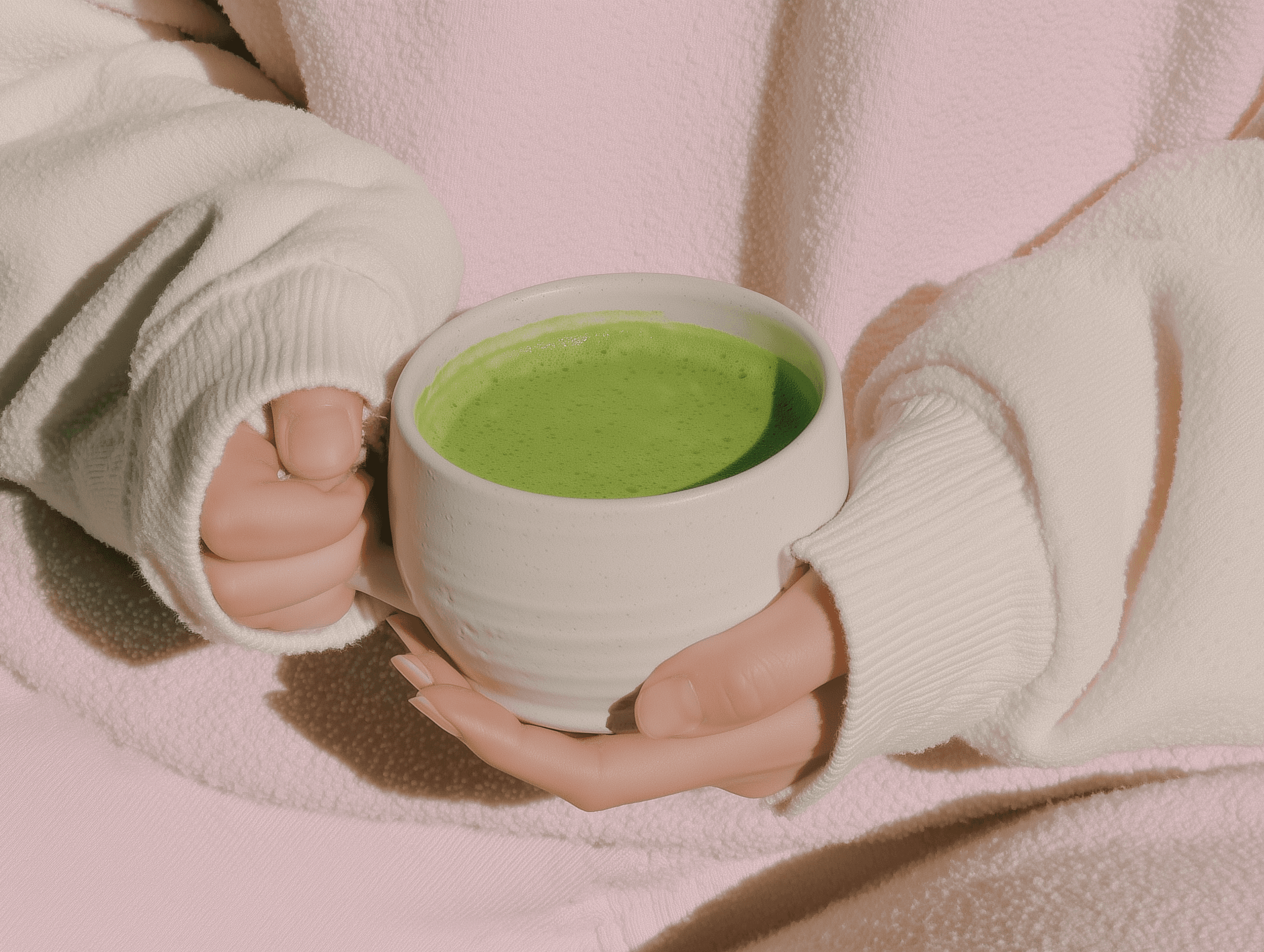
You can make it complicated with equipment and ceremony if you want. Or you can just sift some powder into a cup, whisk it with hot water, and sit by a window for five minutes.
Either way, the pause is the point.